Skip to Content

How to Prepare for Nursing School: Practical Tips for Success

Planning for your Bachelor of Science in Nursing degree takes more than enthusiasm—it calls for a clear roadmap, smart study strategies, and a supportive community. If you’re comparing programs, organizing applications, or getting ready for your first semester, this guide offers advice for nursing students and aspiring nurses on how to prepare for nursing school with confidence.

Know the Admissions and Academic Expectations

Begin with each institution’s admissions page. Confirm prerequisites, deadlines, and any testing or documentation you’ll need. Understanding requirements early is one of the most effective ways to prepare for nursing school.

  • Prerequisites and credentials: Common courses include Anatomy and Physiology I and II, Microbiology, Chemistry, Statistics, Psychology, and English Composition. Many programs also require a minimum GPA, immunization records, CPR certification, and a background check. If you have transfer credits or credentials such as CNA or EMT, verify how they apply.
    • Mount Union's program is direct-entry, meaning students can be admitted directly into the BSN program as first-year students with no waiting list.
  • Application timeline: Gather transcripts, test scores, recommendations, and your personal statement well ahead of priority deadlines. Submitting early helps avoid processing delays and shows readiness, which is key for nursing students aiming for a smooth start.
  • Entrance exams and interviews: Some schools require TEAS or HESI. Use official prep materials and timed practice. If interviews are part of the process, highlight motivation, patient-care experiences, ethical decision-making, and strong communication.

Building Effective Study Habits

  • Note-taking Methods


    Try structured approaches like the Cornell method or detailed outlines. After lectures, condense notes into short summaries, and make flashcards for courses like pharmacology, lab values, and common interventions.

  • Weekly Study Schedule


    Block time for reading, practice questions, skills labs, and review. Use spaced repetition daily and longer sessions before exams. Treat study time as non-negotiable appointments.

  • Active Learning


    Apply the nursing process to case studies, teach back key concepts to a peer, and answer NCLEX-style questions each day. Concept maps help connect pathophysiology, symptoms, and interventions. View more resources on the NCLEX preparation page.

  • Reward Yourself


    Once you complete an assignment or task, be sure to recognize the hard work you just accomplished with your favorite snack or catching up on a movie or TV show.

  • Avoid Cramming for Nursing Exams


    According to Chaunie Brusie of Nurse.org, student nurses are often advised to start studying a week early to cover all course content.


Build Your Support Network

Community matters. Peers, mentors, and faculty help you stay motivated, solve challenges, and grow professionally, demonstrating that you do not have to prepare for nursing school alone.

  • Peer connections: Join study groups and student organizations to share resources, practice skills, and discuss case scenarios. Accountability boosts consistency and confidence.
  • Mentorship: Connect with clinical instructors, alumni, or unit preceptors. Mentors offer insight into specialties, licensure planning, and professional development. Mount Union’s vast alumni network includes hundreds of nurses and medical professionals in fields such as internal medicine, dentistry, and dermatology.
  • Faculty and academic support: Attend office hours, meet with academic advisors, and use tutoring or simulation labs. Schedule workshops or writing support through resources like Mount Union's Digital, Written, and Oral Communication Studio early rather than waiting until midterm stress hits.
     

Prioritize Well-Being and Balance

Nursing school is demanding, but sustainable habits protect performance and health. These practices are practical advice for nursing students who want long-term success.

  • Self-care basics: Aim for consistent sleep, balanced meals, and daily movement. Pack healthy snacks for clinical days and use brief breathing or mindfulness exercises before exams and patient encounters.
  • Manage stress: Use cognitive reframing, break larger tasks into small steps, and track progress. Set boundaries around study and rest, and take short, restorative breaks to prevent burnout.
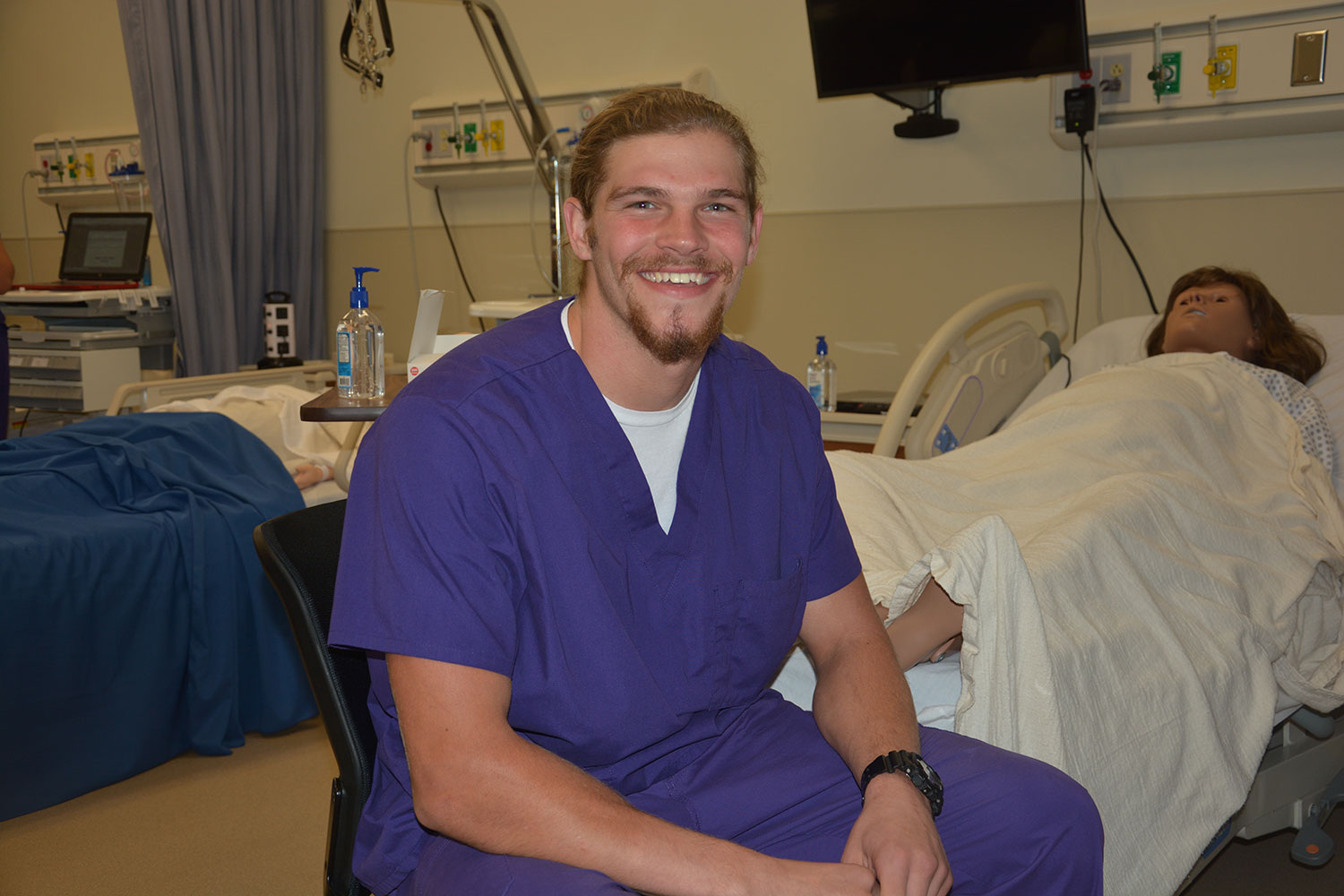
  • Balance school, work, and life: If you work, schedule shifts around exams and clinicals. Communicate with family or roommates about quiet hours and reStudent Nurse working with patientsponsibilities. Include non-negotiable recovery time in your weekly plan.
     

Get Ready for Clinical Experiences

Clinicals bring classroom learning into real patient care. Arrive prepared, professional, and ready to learn from every shift. These opportunities are essential for aspiring nurses and are core components of a BSN degree.

  • Why clinicals matter: Clinicals strengthen critical thinking, patient communication, and hands-on skills. You’ll explore settings such as medical-surgical, pediatrics, mental health, and community health.
  • What to expect: Early mornings, pre- and post-conferences, documentation, and skills practice under supervision. You’ll follow safety protocols, administer medications with instructor oversight, and reflect on patient cases.
  • Maximize learning: Review patient assignments the night before, refresh relevant pathophysiology and medication profiles, and prepare questions for your preceptor. Carry a pocket notebook for quick notes, volunteer for skills within your scope, and prioritize communication, safety, and ethical care.
     

Frequently Asked Questions

  • How early should I start preparing?


    Plan 6–12 months ahead. Complete prerequisites, schedule TEAS or HESI if required, and assemble application materials early. This timeline offers a structured approach for how to prepare for nursing school.

  • What supplies do I need?


    A reliable stethoscope, comfortable clinical shoes, a watch with a second hand, scrubs per program policy, a laptop or tablet, and references like a drug guide and lab values chart. Confirm specifics with your program.

  • How can I improve my test-taking?


    Practice NCLEX-style questions daily, review rationales, and track error patterns. Use spaced repetition and timed sessions to mirror exam conditions.

  • Is healthcare experience required?


    Not always, but volunteering, CNA work, or shadowing strengthens applications and gives context for coursework and clinicals.

  • How do I stay motivated?


    Set clear goals, celebrate small wins, and connect coursework to patient outcomes. Lean on peers and mentors during tough weeks—consistency builds confidence.


Organize Your Time and Resources

Balancing classes, labs, and clinicals requires a system that keeps you on track without overloading your week. Aspiring nurses benefit from clear routines and thoughtful planning.

  • Time management: Batch similar tasks, set a top-three priority list daily, and leave buffer time around clinical days. Scale back commitments during exam weeks to protect focus.
  • Course materials: Use a binder or digital folders for each class with syllabi, slides, checklists, and competencies. Create quick-reference sheets for normal lab ranges, medication classes, and safety protocols.
  • Helpful tech: A calendar app keeps deadlines and clinical schedules visible. Tools like Anki or Quizlet support spaced repetition. Save handouts with a scanner and cloud storage, and review exam analytics to target weak spots.


Being a Student-Athlete in Nursing School

Mount Union nursing graduate Tristan Bender '20 had to balance being a football player and a nursing student. He discusses some time management strategies that led to his success in both fields.


How Mount Union Can Help You Prepare for Your Nursing Career

The tips above are great to get you ready for nursing school, just like Mount Union’s direct-entry BSN degree program. The University offers support throughout your undergraduate career, including an NCLEX prep course built into the curriculum and available paid internships at leading hospitals such as the Cleveland Clinic and University Hospitals. If you are not sure which nursing specialty you would like to pursue, Mount Union offers separate specialized courses in obstetrics, pediatrics, clinical care, and critical care.

Now that you understand how to prepare for nursing school, let Mount Union help you take the next step on this rewarding journey through its direct-entry BSN program, accelerated post-baccalaureate (ABSN) degree, or its Master of Science degree in family nurse practitioner.


Sources: